
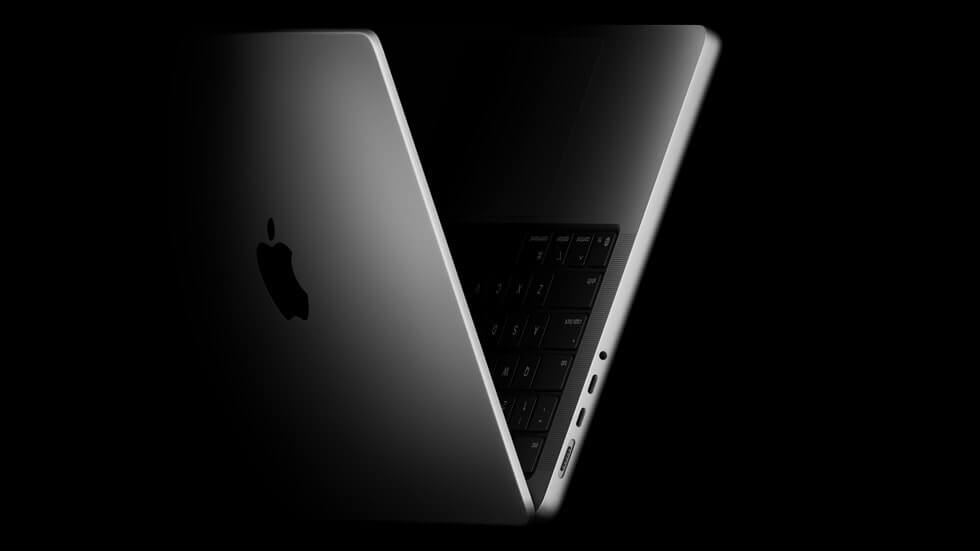
Apple’s MacBook Air has been the undisputed king of thin-and-light laptops since the M1 debut, but fresh leaks about the 2026 M5 model suggest the next iteration will push the envelope even further. Codenamed J813/J815 and spotted in early macOS 26.2 builds, the M5 MacBook Air is slated for a spring 2026 launch, bringing meaningful internal upgrades while keeping the iconic fanless design intact. No revolutionary OLED screen yet—that waits until 2028—but expect efficiency gains that make the Air faster for AI workflows and creative tasks without compromising portability.
Table of Contents
OVERVIEW: The 2026 M5 macBook Air
Display and Cameras Hold Steady
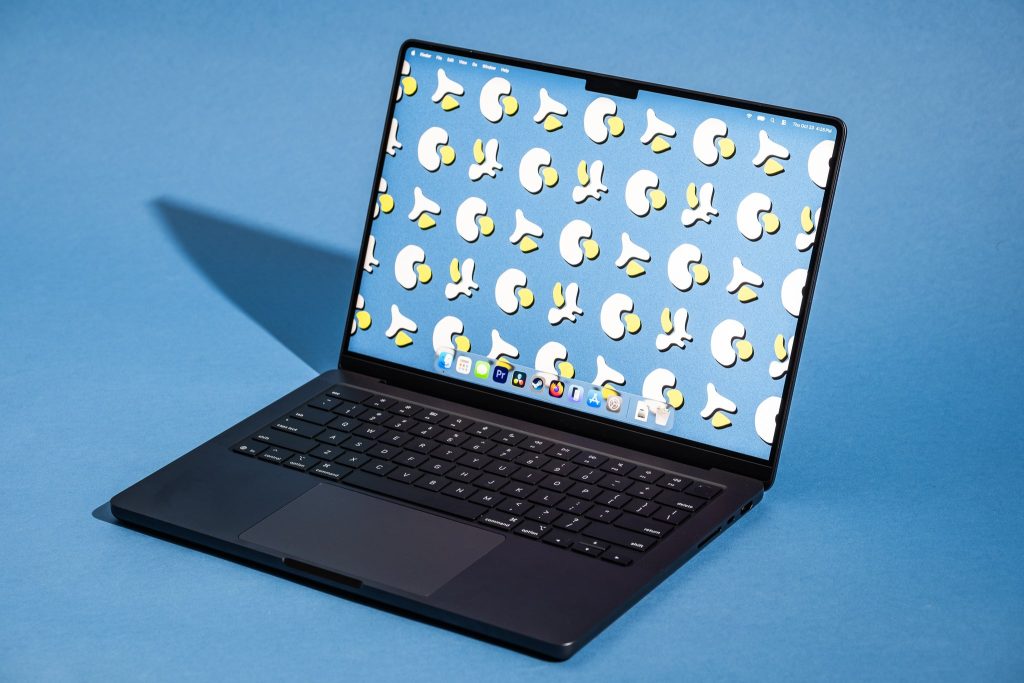
The notch houses a 1080p webcam with Center Stage; there is no under‑display Face ID yet. Displays gain nano-texture glass option for glare‑free editing ($200 upcharge). The triple-mic array excels in noisy environments.
Software and Ecosystem
Comes loaded with macOS Sequoia 16.2 (or whatever comes after Sonoma), tuned for the M5 chip and Apple Intelligence 2.0. You get features like Live Text in videos, custom emojis, and smarter notifications. Continuity gets better too—mirroring your iPhone and using Universal Control feels smoother than ever. Plus, you’re set for over seven years of updates.
M5 Chip: Power Without the Fans
At the heart is Apple’s M5 silicon on TSMC’s refined 3nm N3P process, delivering 15-20% CPU/GPU uplift over M4 with a beefier 10-core GPU and enhanced ray tracing accelerators. Base configs jump to 16GB unified memory (up from 8GB on older Airs) and 512GB PCIe 4.0 SSD—twice as fast as M4—for snappier app launches and exports. The Neural Engine hits 38 TOPS for on-device Apple Intelligence like generative video editing and real-time translation. Still fanless, the M5 sustains 20W+ loads silently, perfect for meetings or flights.
Wi-Fi 7 and Bluetooth 6 Ready
It’s also the first MacBook with Wi-Fi 7. That means tri-band, including 6 GHz, and downloads up to five times faster than Wi-Fi 6E. Bluetooth 6 is here too—AirTag tracking gets way more accurate, and AirPods Pro 3 sound snappier with lower lag. Plus, the new ultra-wideband chip lets you use spatial gestures, opening up a whole new way to interact with your Mac.
ALSO READ: Oppo Reno15 5G: 200MP Portrait Beast with 6200mAh Endurance—Full Specs Breakdown
Same Sleek Shell, Subtle Refinements
Expect no major redesign: 13.6‑inch and 15.3‑inch Liquid Retina IPS LCDs at 2560×1664/2880×1864 (60 Hz, 500 nits, P3 color), notched front camera, and slim bezels. Thickness stays ~0.44‑0.45 inches; weight is 2.7/3.3 lbs. Liquid metal frame, 100% recycled aluminum chassis in Midnight, Starlight, Space Gray, and Silver. MagSafe 3 charging, two Thunderbolt 4 ports, a headphone jack, and a four‑speaker array with Spatial Audio. Battery? 18‑20 hours claimed, edging M4 thanks to efficiency tweaks.
Pricing and Availability
starts at $1,099/€1,249 for 13 inches (16GB/512GB) and $1,299 for 15 inches; the $100 increase is due to spec improvements. Alongside the M5 Mac Studio/Mini, spring 2026; preorders in the United States are anticipated in March. After launch, M4 Airs drop to $899/$1,099.
ALSO READ: The best tablets for kids of 2025
