
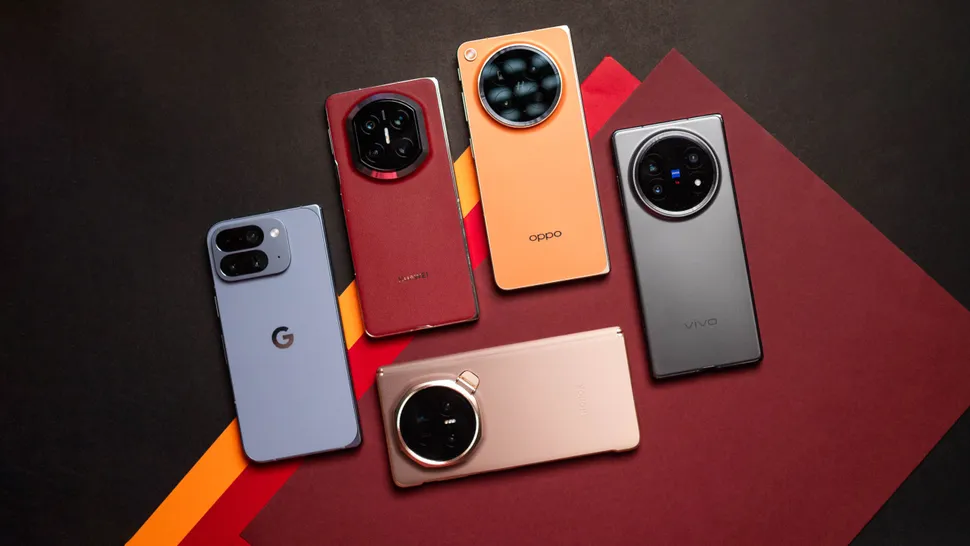
Smartphones and the Death of the ‘Wow’ Factor in the early 2010’s: Every September was a huge festival for tech lovers around the world. A smartphone launch back then was a harbinger of something really revolutionary in the market. We went from clunky physical keyboards to gigantic edge to edge glass screens almost overnight. We went from blurry pixelated cameras to advanced multi-lens setups that could truly compete with professional photography gear. Unboxing a new device was something of an event. You would invite a friend over purely to show off the cool new interface or fingerprint scanner.
The magic, however, is effectively gone today. You remove the plastic on a thousand dollar rectangular slab and turn it on and are instantly cognisant that it looks and works just like the phone you just traded in. You spend ten minutes uploading your data to the cloud, and then the thrill is gone. It looks like smartphones have hit a plateau. We are in a cycle of endless boring incrementalism. But how did we arrive at this stagnant place?
Smartphones and the Death of the ‘Wow’ Factor
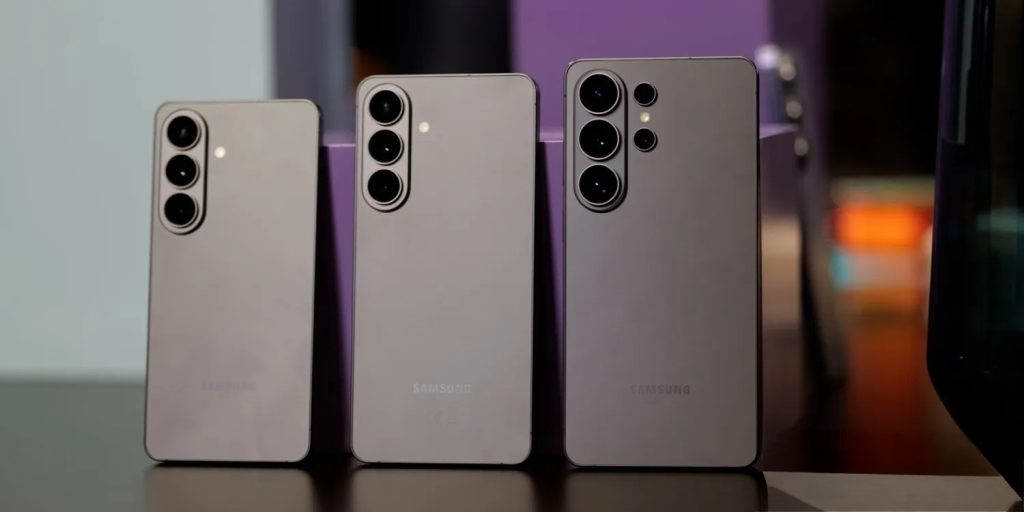
The smartphones business is in a plateau of excellence, where it has traded revolutionary leaps for safe iterative improvements. We’ve entered a period of known glass slabs that are highly polished. Gone are the days of crazy experimentation with form factors. Most of today’s flagship announcements are about marginal silicon gains, incremental camera sensor upgrades and software tweaks rather than real hardware breakthroughs. Our devices are objectively more powerful and reliable than ever. But that very technological maturity has meant the original “wow” factor has inevitably given way to quiet, dependable utility.
Smartphones Evolution Shift: Then vs. Now
To understand why modern launches feel so incredibly flat, it helps to look at just how drastically the nature of smartphones upgrades has changed over the last fifteen years.
| Era | Typical Upgrade Cycle | Major Innovation Focus | Consumer Perception |
| The Era of Innovation (2010–2017) | Every 1–2 Years | Form factors, high-res displays, multi-lens cameras, biometric security. | “I need this new device because my current phone cannot do what this one does.” |
| The Era of Incrementalism (2018–2024) | Every 3–4 Years | Minor bezel reductions, slightly faster refresh rates, basic software optimization. | “My phone is getting a bit old, so I suppose it is finally time to replace it.” |
| The Appliance Era (2025–Present) | Every 4–5+ Years | Generative AI software, marginal chip speed bumps, minor material changes. | “This new model looks identical to the one in my pocket. I will just replace the battery.” |
The Hardware Plateau: Hitting the Ceiling
Let’s be brutally honest with ourselves for a moment. The big tech upgrades of the last few years have been painfully boring. A slightly brighter screen here. Aluminium bezel is a little thinner. Maybe the camera zooms in on the moon a little bit better than last year’s model. But how often do you actually use those highly specific features in your everyday life? The harsh reality is that the physical hardware of smartphones has more or less peaked.
Too Much Power, Too Little Purpose
Current flagship devices have processors that are ridiculously overpowered for what the average person actually does. If you look closely at the raw benchmark scores of recent heavyweight chipsets like the Apple M5 or the Snapdragon 8 Gen 5, the performance metrics are absolutely staggering. We are lugging literal supercomputers in our pockets.
But the mobile software ecosystem simply doesn’t need that kind of raw computing power to scroll endlessly through social media feeds, watch videos or check work emails. Manufacturers are only playing with the edges to sell the illusion of progress because there is no more room for big jumps forward in traditional, flat-slab physical design.
The Blurring Lines Between Flagships and Mid-Rangers
Another big reason behind this widespread boredom is the rapidly narrowing gap between ultra-premium phones and budget options. Now, you don’t have to pay a lot to get a great, snappy device.
The Squeeze from the Middle
Check out mid-range contenders such as the Vivo T5 Pro. This tier of equipment now features gorgeous OLED displays, huge batteries and super-capable cameras for a fraction of the price of top-tier models. When a mid-range phone can do 95% of what a flagship phone can do, the incentive to upgrade to the latest and greatest just completely goes away.
Yeah, the Samsung Galaxy Z series and other foldables were meant to be the revolutionary answer to this boredom. But after years of iteration, folding phones remain a pricey, somewhat fragile niche that mainstream consumers largely ignore.
The Great AI Distraction
If you watched a recent launch by a big tech company, you probably heard the acronym “AI” repeated a hundred times or so. There’s a very specific reason for this overwhelming trend. Mega-corporations no longer dazzle consumers with giant leaps in hardware, so they’re going all-in on software gimmicks.
Marketing Hooks Over Genuine Upgrades
And smartphones don’t have radical new form factors. They have AI photo editors and translators and glorified chatbots. These additions are fun for an afternoon, but ultimately forgettable. Ultimately, the big push for mobile AI is not about reinventing your daily life, it’s a clever marketing angle to make it easier to sell you a new, premium-priced model every single year.
Missed Opportunities in Physical Innovation
This intense financial pressure means that exciting quality-of-life physical innovations are being pushed to the sidelines. Instead of just pushing out a slightly rearranged camera lens layout every twelve months, the industry may be working on some foundational changes that would actually improve the user experience.
The Promise of Silicon-Carbon Batteries
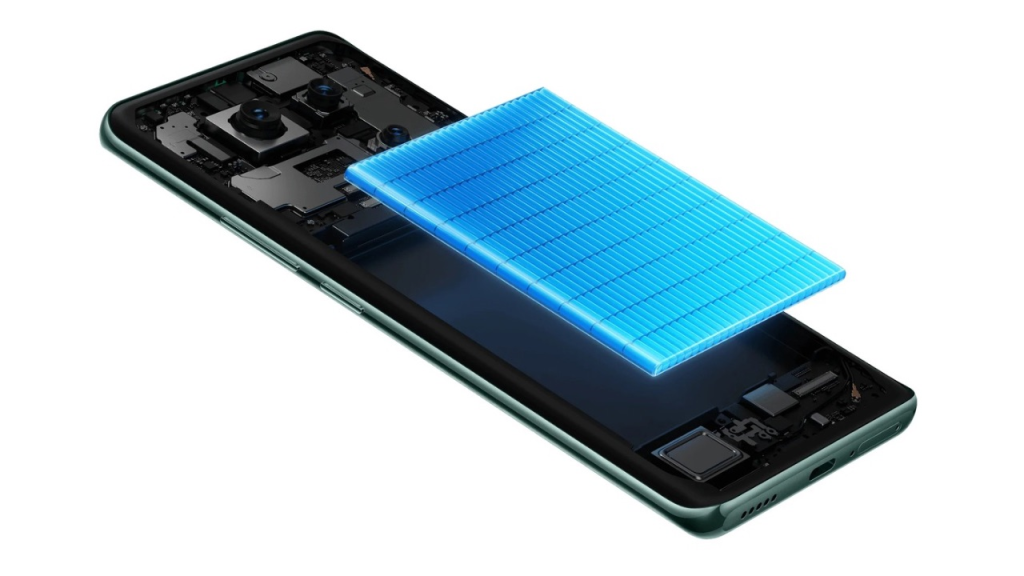
Take the ongoing development of silicon-carbon battery technology for example. This is a huge breakthrough that could completely change the way we interact with our devices. Imagine a phone that is unbelievably thin, never gets too hot, and can easily last for four days of heavy, constant use on a single charge. That’s the kind of leap that creates real excitement. These crucial structural improvements, however, are often released very late or drip-fed to the consumer as the relentless yearly release cycle focuses on flashy, immediate selling points rather than long-term, meaningful technological evolution.
Accepting the Appliance Era
Perhaps the biggest reason why smartphones feel so stagnant today is the completely unnecessary annual release cycle. It is a destructive treadmill for the environment and exhausting. There is no industry in the world that can successfully sustain mind-blowing innovation every twelve months.
Why Phones Are Now Household Tools
You don’t buy a new car or laptop every year just for minor updates, and modern smartphones should be regarded as similar long-term investments to avoid mountains of unnecessary e-waste. In the end, smartphones stagnation isn’t a tragedy; it’s simply a sign that the technology has matured into a reliable appliance. The era of wild innovation is over. The sooner we accept that, the sooner we can stop chasing the “next big thing” and start enjoying the incredibly capable tools we already have.
ALSO READ: Apple AI Push Is Finally Gaining Momentum in 2026
